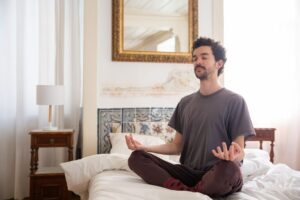

Mindfulness has become a popular way to improve mental well-being and create a sense of calm in busy lives. But you don’t need to dedicate hours or attend special classes to benefit from mindfulness practices. Simple techniques incorporated into your daily routine can significantly enhance your focus, reduce stress, and increase overall happiness.
In this post, we’ll explore easy mindfulness practices anyone can try, no matter how busy you are.
What Is Mindfulness?
Mindfulness is the practice of paying full attention to the present moment without judgment. It involves noticing your thoughts, feelings, bodily sensations, and surroundings with curiosity and openness. Instead of dwelling on the past or worrying about the future, mindfulness helps you engage fully with what is happening right now.
Why Practice Mindfulness Daily?
Daily mindfulness can:
– Reduce stress and anxiety
– Improve concentration and productivity
– Enhance emotional resilience
– Boost your overall sense of well-being
– Help you respond thoughtfully rather than react impulsively
Even a few minutes a day can make a positive difference.
Simple Mindfulness Practices to Try
Here are some easy ways to bring mindfulness into your everyday life.
1. Mindful Breathing
One of the simplest mindfulness exercises is to focus on your breath.
How to do it:
– Sit or stand comfortably.
– Close your eyes if you like.
– Take a slow, deep breath in through your nose, filling your lungs.
– Exhale slowly through your mouth.
– Pay attention to the sensation of the air entering and leaving your body.
– If your mind wanders, gently bring your focus back to your breath.
Try this for 2–5 minutes, especially during moments of stress.
2. Body Scan
A body scan encourages you to notice sensations throughout your body, promoting relaxation and awareness.
How to do it:
– Lie down or sit comfortably.
– Close your eyes and take a few deep breaths.
– Starting at your feet, slowly bring your attention to each part of your body—feet, legs, hips, torso, arms, neck, and head.
– Notice any sensations or tension without trying to change anything.
– If your mind wanders, gently return to the body part you were focusing on.
This practice can take 5–10 minutes and can be done anytime you feel disconnected from your body.
3. Mindful Eating
Eating mindfully helps you savor your food and recognize hunger and fullness cues.
How to do it:
– Sit down without distractions like TV or phones.
– Look at your food and notice its colors and textures.
– Take a small bite and chew slowly, noticing the taste and texture.
– Pay attention to how your body feels as you eat.
– Eat until you feel comfortably full, not overly stuffed.
This practice encourages a healthier relationship with food and can turn mealtime into a pleasant, relaxing experience.
4. Mindful Walking
You don’t need a special location to practice mindfulness through walking.
How to do it:
– Choose a quiet path or any place where you can walk safely.
– Begin walking slowly and naturally.
– Focus on the sensation of your feet touching the ground, the movement of your legs, and the rhythm of your steps.
– Notice the sights, sounds, and smells around you.
– If your mind drifts, gently bring it back to the sensation of walking.
Try this for 5–10 minutes during a break or whenever you need a mental refresh.
5. Five Senses Exercise
A quick way to center yourself and shift your focus to the present moment.
How to do it:
– Notice 5 things you can see.
– Notice 4 things you can touch.
– Notice 3 things you can hear.
– Notice 2 things you can smell.
– Notice 1 thing you can taste.
This exercise usually takes a couple of minutes and works well whenever you feel overwhelmed or distracted.
Tips for Maintaining a Mindfulness Practice
– Start small: Begin with just a few minutes daily and gradually increase the time.
– Choose consistent times: Try incorporating mindfulness into morning routines, meal times, or before bed.
– Be patient: It’s normal for your mind to wander; gently refocus without judgment.
– Use reminders: Set alarms or sticky notes to remind yourself to pause and practice mindfulness.
– Explore apps and resources: Guided meditations and mindful exercises can be helpful as you begin.
Final Thoughts
Mindfulness doesn’t require complicated techniques or a lot of time. By integrating these simple practices into your daily life, you can build a more peaceful and focused mind. Remember, mindfulness is a skill that grows with regular practice. Start with one or two exercises and see how they fit your lifestyle. Over time, you may notice greater calm and clarity in your everyday moments.
Give these simple mindfulness practices a try, and enjoy the benefits they bring to your day-to-day life.