Composting is an excellent way to reduce household waste while creating rich, nutrient-packed soil for your garden. If you’re new to composting, it may seem a bit overwhelming at first, but with a few basic tips, you can start turning your kitchen scraps and yard waste into valuable compost in no time. This guide covers beginner-friendly advice to help you get started successfully.
What Is Composting?
Composting is the natural process of recycling organic materials like food scraps and yard waste into a dark, crumbly soil amendment known as compost. This process involves microorganisms breaking down organic matter, which enriches soil and helps plants grow better.
Why Compost at Home?
– Reduces waste: Composting keeps kitchen scraps and garden waste out of landfills.
– Improves soil health: Compost adds valuable nutrients and helps soil retain moisture.
– Saves money: Healthy soil means less need for chemical fertilizers.
– Supports the environment: Composting reduces greenhouse gas emissions from waste.
Getting Started: What You Need
Before you begin, gather some basic supplies and choose a composting method that fits your space and lifestyle.
Choose a Compost Bin or Pile
– Bin options: You can buy or build a compost bin. Bins keep compost neat and help control moisture and pests.
– Compost pile: If you have ample yard space, you can simply start a pile in a designated spot.
– Indoor composting: For small spaces, consider a worm bin or electric composter.
Location
Pick a convenient spot outside that is well-drained and partly shaded. This helps maintain proper moisture and temperature.
Tools
– Pitchfork or garden fork (for turning the compost)
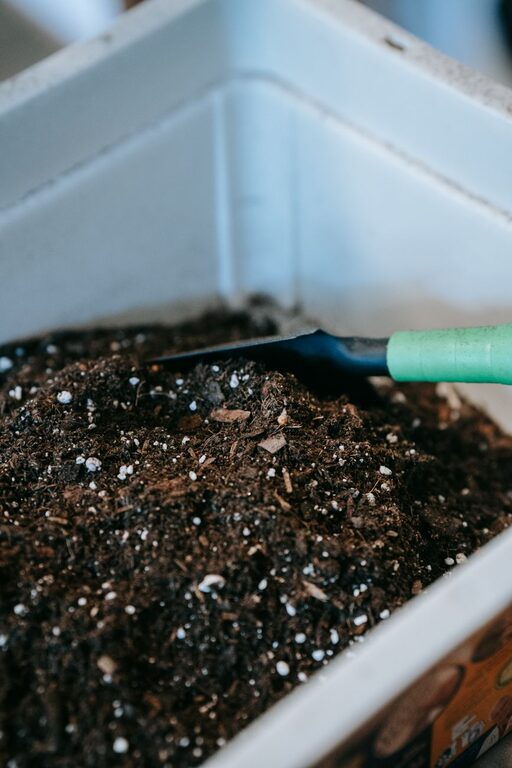
– A garden shovel or trowel
– A watering can or hose (to keep compost moist)
What to Compost: What Goes In and What Stays Out
Brown Materials (Carbon-rich)
– Dry leaves
– Straw or hay
– Cardboard and paper (non-glossy)
– Wood chips or sawdust (untreated)
Green Materials (Nitrogen-rich)
– Fruit and vegetable scraps
– Coffee grounds and tea bags
– Fresh grass clippings
– Plant trimmings
Materials to Avoid
– Meat, dairy, and oily foods (can attract pests)
– Diseased plants
– Pet waste
– Glossy or colored paper
– Treated wood or synthetic materials
Tips for Successful Composting
Balance Browns and Greens
Aim for a roughly 3:1 ratio of brown materials to green materials. Browns provide carbon, and greens supply nitrogen, both essential for microorganisms to thrive.
Chop or Shred Materials
Smaller pieces break down faster. Chop or tear large items before adding them to the compost.
Keep It Moist
Your compost should feel like a damp sponge—not dry or soaking wet. Add water or dry materials as needed.
Turn the Pile Regularly
Use a fork or shovel to turn the compost every week or two. This adds oxygen, speeding up decomposition.
Be Patient
Composting can take a few months to a year depending on conditions. Finished compost is dark, crumbly, and smells earthy.
Composting Methods for Beginners
Traditional Compost Bin or Pile
Best for most homeowners with some outdoor space. Easy to manage and very effective when started right.
Worm Composting (Vermicomposting)
Ideal for small spaces or indoors. Worms eat food scraps and produce nutrient-rich worm castings. Requires a worm bin and some basic care.
Tumbler Composters
A rotating bin that makes turning compost easy. Good for beginners who want a neater system.
Bokashi Composting
A fermentation method that allows composting of meat and dairy. It’s more advanced but can be done indoors.
Using Your Finished Compost
Once your compost is ready, you can:
– Mix it into garden beds or pots to improve soil structure.
– Use it as mulch around plants to retain moisture.
– Add it to lawn soil for healthier grass.
Common Composting Challenges and Solutions
| Problem | Cause | Solution |
|———————|——————————–|—————————————-|
| Smelly compost | Too much green or wet waste | Add more brown materials, turn pile |
| Pests or rodents | Meat, dairy, or food scraps | Avoid these items, use a closed bin |
| Compost too dry | Lack of moisture | Water compost regularly |
| Slow decomposition | Too few greens or no turning | Add greens, turn pile more often |
Final Thoughts
Composting at home is an easy and rewarding way to reduce waste and nurture your garden. Start with small steps, be consistent, and learn as you go. Over time, you’ll enjoy the satisfaction of producing your own nutrient-rich compost and contributing to a healthier planet.
Happy composting!